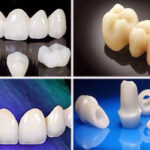
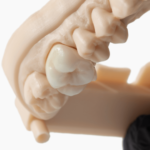
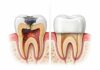
When it comes to dental crowns, getting the perfect fit is everything. You want your crown to feel natural, look great, and last a long time without causing discomfort or damage.
But have you ever wondered how dental labs manage to create crowns with flawless margins that fit so precisely? The secret lies in a blend of expert craftsmanship, advanced technology, and meticulous attention to detail. You’ll discover exactly how dental labs achieve those perfect crown margins and fit – helping you understand the process behind your next smile upgrade and what makes a crown truly successful.
Keep reading to learn how precision and skill come together to give you a crown that feels like it was made just for you.

Credit: assureddentallab.com
Margin Design Techniques
Margin design techniques play a vital role in creating dental crowns that fit perfectly. These techniques help define the edges of the crown. Precise margin design leads to better sealing and prevents bacteria from entering. Dental labs focus on these designs to ensure durability and comfort. The process starts with choosing the right margin type and preparing clean, sharp edges for the crown to sit properly on the tooth.
Ideal Margin Types
Choosing the right margin type affects crown fit and strength. Common margin types include chamfer, shoulder, and bevel. Chamfer margins offer a rounded edge that is gentle on the tooth. Shoulder margins provide a flat surface for strong crowns, especially porcelain. Bevel margins help blend the crown edge with natural tooth structure. Labs select the margin type based on the crown material and tooth condition. The ideal margin ensures the crown fits snugly without gaps or pressure.
Preparing Sharp And Clear Margins
Sharp and clear margins are essential for accurate crown fabrication. The tooth must be prepared with precise tools to create well-defined edges. Smooth margins reduce gaps between the crown and tooth. Clear margins make it easier to capture accurate impressions or digital scans. Dental labs rely on these details to design crowns that fit tightly. Clean margins also help maintain gum health around the crown. Skilled preparation improves the crown’s longevity and patient comfort.
Advanced Imaging And Digital Scans
Advanced imaging and digital scans have transformed dental crown production. These technologies help labs create crowns with precise margins and perfect fit. Digital data captures every detail of the tooth and surrounding tissue. This accuracy reduces errors and improves patient comfort.
Digital impressions replace traditional molds, saving time and increasing detail. Labs receive clear, 3D images that guide the crown design. The result is a restoration that fits snugly and lasts longer.
Role Of Cad/cam Technology
CAD/CAM technology allows labs to design crowns on a computer. The software uses digital scans to build a 3D model of the tooth. This model guides the milling machine that creates the crown.
CAD software ensures the margins match the tooth exactly. The system checks the fit and adjusts designs before production. CAM machines then carve the crown from high-quality materials with high precision.
Digital Margin Simulation
Digital margin simulation lets labs preview crown edges on a screen. This step helps spot any gaps or overhangs before milling begins. Labs can refine the margin to ensure a perfect seal with the tooth.
Simulations use data from scans to mimic real conditions. This process prevents common issues like poor fit or gum irritation. As a result, crowns fit better and feel more natural for patients.
Impression Accuracy And Model Creation
Impression accuracy and model creation form the backbone of perfect crown margins and fit. Precise impressions capture every detail of the prepared tooth and surrounding gum tissue. This accuracy ensures the dental lab can create an exact model for crafting the crown. A well-made model guides the technician in shaping the crown to fit snugly and comfortably. Without this precision, gaps or overhangs can cause discomfort or decay.
Dental labs rely on several key techniques during impression taking and model creation. These steps reduce errors and improve the final fit of the crown. Two important areas are gum retraction and moisture control. Both help capture clear, detailed impressions. If impressions fall short, retakes become necessary. Careful control of these factors saves time and enhances the restoration’s success.
Improving Gum Retraction
Gum retraction exposes the tooth margin clearly. Without it, the impression material cannot reach the edge of the preparation. Dental professionals use retraction cords or pastes to gently push the gums away. This creates space for the impression to flow into the margin area. Good retraction prevents blurry or incomplete margins on the model.
Dental labs also advise on the best retraction techniques. They recommend timing and cord placement to avoid damaging tissue. Healthy gums provide a stable base for the crown. Proper retraction captures the exact shape and depth of the margin.
Controlling Moisture And Retakes
Moisture can ruin an impression by causing distortion or bubbles. Saliva and blood interfere with the material’s ability to set properly. Careful isolation of the tooth and surrounding area is essential. Cotton rolls, suction, and drying sprays help keep the site dry.
If an impression lacks detail or has defects, labs request retakes. Retakes ensure the model accurately reflects the tooth’s shape. A clear, dry impression reduces adjustments needed during crown fabrication. Consistent moisture control leads to fewer remakes and better patient outcomes.

Credit: dentallab.com
Microscopic Margin Adjustment
Microscopic margin adjustment is a crucial step in crafting dental crowns that fit perfectly. Dental labs use this technique to refine crown edges and ensure a tight seal with the tooth. This process reduces gaps, preventing bacteria from entering and causing decay. Precision at this level improves the crown’s longevity and patient comfort.
Using Microscopes For Precision
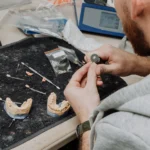
Dental technicians use powerful microscopes during margin adjustment. These microscopes magnify the crown edges many times. This high level of detail helps spot tiny imperfections invisible to the naked eye. Technicians can then carefully remove excess material or smooth rough spots. This careful work ensures the crown fits snugly against the tooth.
Microscopes also help maintain the original shape of the crown. Technicians avoid removing too much material, which could weaken the crown. The result is a crown that matches the tooth’s natural contours perfectly.
Fine-tuning Gold And Porcelain Crowns
Gold and porcelain crowns require different adjustment techniques. For gold crowns, technicians remove small excess beads or edges using fine tools under the microscope. This step creates a smooth, even margin that fits tightly.
Porcelain crowns need gentle adjustments to avoid cracks or chips. Using the microscope, technicians carefully polish and shape the margins. This process preserves the crown’s strength and appearance while ensuring a perfect fit.
Communication Between Labs And Dentists
Clear communication between dental labs and dentists plays a vital role in creating crowns with perfect margins and fit. Both parties must exchange precise details about the tooth preparation and restoration goals. This collaboration reduces errors and ensures the final crown matches the patient’s needs.
Dental labs depend on dentists to provide accurate information about tooth shape, size, and margin design. Dentists rely on labs to interpret these details and craft restorations that fit seamlessly. Strong communication builds trust and improves clinical outcomes.
Sharing Detailed Prep Information
Dentists share detailed prep information with labs to guide crown fabrication. This includes photos, impressions, and digital scans that show the exact tooth shape and margin lines. Detailed notes about the preparation technique and material choice also help.
Labs review these materials carefully before starting work. They ask questions if any details seem unclear. This prevents mistakes that could cause poor fit or gaps at the crown margins.
Feedback Loops For Continuous Improvement
Labs and dentists create feedback loops to improve crown fit over time. After receiving the crown, dentists assess the margin quality and overall fit during try-in. They report any issues back to the lab promptly.
Labs analyze this feedback to identify patterns and refine their processes. This ongoing dialogue helps labs adjust their techniques for better accuracy. It also helps dentists improve their preparation methods.
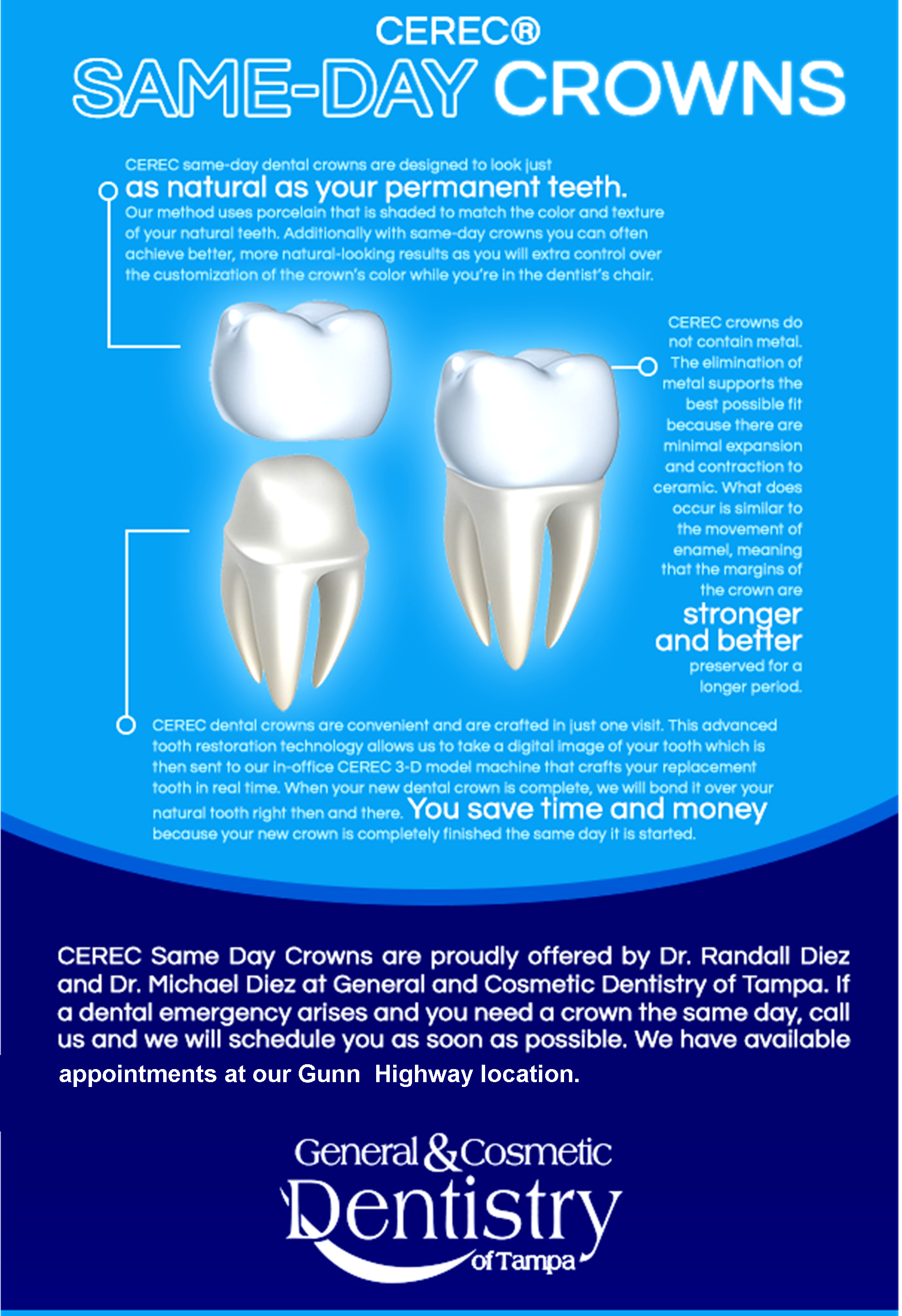
Credit: www.tampacosmeticdentist.com
Frequently Asked Questions
What Is The 3-3-3 Rule In Dentistry?
The 3-3-3 rule in dentistry means brushing teeth for 3 minutes, 3 times a day, and replacing your toothbrush every 3 months.
How To Get Better Crown Margins?
Ensure precise tooth preparation with clear, well-defined margins. Use proper gum retraction and moisture control. Take accurate impressions and utilize digital scans for exact crown fitting.
What Is The 50-40-30 Rule In Dentistry?
The 50-40-30 rule in dentistry guides crown preparation: 50% occlusal reduction, 40% axial reduction, and 30-degree taper for optimal fit and durability.
What Is The 2 2 2 Rule In Dentistry?
The 2 2 2 rule in dentistry advises brushing teeth for 2 minutes, twice daily, and replacing your toothbrush every 2 months.
Conclusion
Achieving perfect crown margins and fit takes skill and careful work. Dental labs combine technology with precise techniques. They use digital scans and detailed impressions to create accurate crowns. Every step matters, from margin design to final adjustments. This attention ensures crowns fit well and last longer.
A well-made crown protects your tooth and feels comfortable. Trust in the process that dental labs follow for quality results. Good fit means better smiles and healthier teeth.