Have you ever wondered why a dental crown sometimes doesn’t last as long as it should? You might think once a crown is in place, it’s a permanent fix—but that’s not always true.
Crowns can fail for several reasons, from decay sneaking in underneath to grinding your teeth without even realizing it. If your crown has ever loosened or caused discomfort, you’re not alone. But here’s the good news: dental labs play a vital role in making sure your crown fits perfectly and stands the test of time.
You’ll discover the common causes of crown failure and how expert labs help prevent these issues, keeping your smile strong and healthy longer. Ready to learn how to protect your investment and avoid costly dental problems? Keep reading!
Common Causes Of Crown Failure
Dental crowns protect damaged teeth and restore smiles. Despite their strength, crowns can fail. Understanding common causes of crown failure helps protect your dental work. Early detection and care extend the life of your crown.
Decay Under The Crown
Decay often starts at the edge of the crown. Bacteria can sneak underneath and cause damage. This weakens the tooth and crown bond. Untreated decay leads to crown loosening or falling off. Regular dental check-ups catch decay early.
Teeth Grinding And Wear
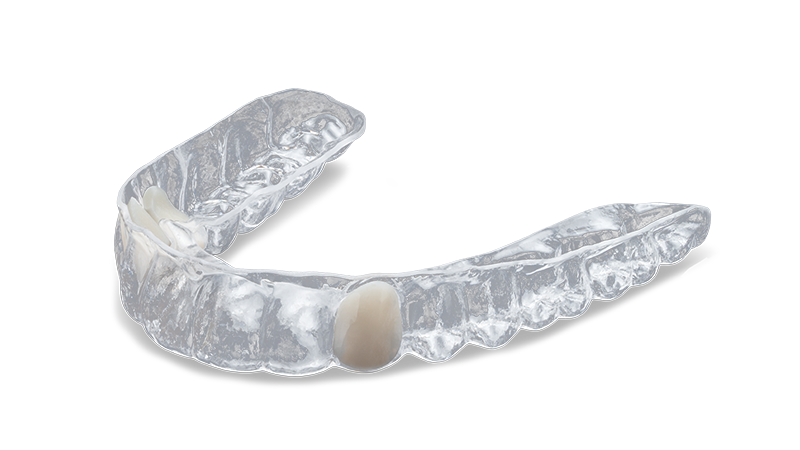
Grinding puts heavy pressure on crowns. It wears down the crown surface and can crack it. Constant grinding causes the crown to loosen or break. Wearing a night guard protects crowns from grinding damage. Labs use strong materials to resist wear.
Poor Oral Hygiene
Bad oral care invites plaque buildup around crowns. Plaque harbors bacteria that cause gum disease and decay. Inflamed gums can loosen the crown’s fit. Brushing and flossing keep crowns clean and secure. Labs design crowns for easy cleaning and comfort.

Credit: vitrinclinic.com
Role Of Dental Labs In Crown Quality
Dental labs play a key role in the quality of dental crowns. Their work affects how well a crown fits and lasts. Skilled technicians use advanced tools and techniques to create crowns that match each patient’s needs.
By focusing on accuracy and material strength, labs reduce the chance of crown failure. They work closely with dentists to ensure every crown meets strict standards. This partnership helps patients enjoy crowns that feel natural and stay strong for years.
Precision In Crown Fabrication
Dental labs use digital scanners and CAD/CAM technology to design crowns. This technology allows for exact measurements and shapes. Precise crowns fit better on teeth and reduce gaps. Proper fit lowers risks of decay and loosening over time.
Technicians carefully craft each crown to match the patient’s bite and tooth alignment. This attention to detail prevents discomfort and uneven wear. Accurate fabrication means fewer adjustments and longer-lasting crowns.
Material Selection And Durability
Labs choose materials based on strength, appearance, and patient needs. Options include porcelain, zirconia, and metal alloys. Each material offers different benefits for durability and look.
High-quality materials resist cracking and wear caused by chewing forces. This helps crowns maintain their shape and function. Proper material selection supports long-term success and patient satisfaction.
Impact Of Crown Fit And Bite Alignment
The fit of a dental crown and how it aligns with your bite play a crucial role in its success. A crown that fits well and matches your bite can last many years without problems. Poor fit or bite misalignment leads to discomfort and crown failure. Dental labs focus on precision to ensure a crown fits perfectly and aligns with the patient’s bite.
Proper crown fit avoids gaps where food and bacteria can enter. Accurate bite alignment prevents uneven pressure on the crown and surrounding teeth. Both are key to long-lasting dental crowns and patient comfort.
Consequences Of Poor Fit
A crown that does not fit well can cause many issues. Gaps between the crown and tooth allow bacteria to build up. This leads to decay under the crown and weakens the tooth. A loose crown may fall off during eating or speaking. Poor fit also causes irritation to the gums, leading to inflammation and discomfort. Over time, these problems can cause crown failure and damage to the natural tooth.
Adjusting For Proper Bite
Correct bite alignment ensures even pressure on the crown and teeth. If the crown is too high or low, it creates stress when biting or chewing. This uneven force can crack or loosen the crown. Labs use advanced tools to measure bite precisely before finalizing the crown. Dentists adjust the crown carefully in the mouth to balance the bite. This step reduces wear and prevents crown failure by protecting both the crown and natural teeth.

Credit: loveyournewsmile.com
Preventing Cement And Adhesion Failures
Preventing cement and adhesion failures is key to the success of dental crowns. These failures often cause crowns to loosen or fall off early. Labs play an important role in helping dentists avoid these problems. They ensure the materials and techniques used support strong bonding. Proper cementation keeps the crown firmly attached to the tooth for years.
Proper Tooth Preparation
Preparing the tooth correctly is the first step in preventing cement failure. The tooth must be shaped to allow the crown to fit tightly. A smooth, clean surface helps the cement bond better. Labs advise dentists on the ideal tooth shape for different crown materials. They may also provide guides or templates to improve precision. Proper preparation reduces gaps where bacteria can enter. This lowers the risk of decay under the crown.
Ensuring Dryness During Cementation
Moisture is the enemy of strong adhesion. Even small amounts of saliva or blood can weaken the bond. Labs recommend using special isolation techniques during cementation. These include rubber dams and cotton rolls to keep the area dry. The cement used often requires a dry environment to set properly. Labs also supply cements that perform well under less ideal conditions. Maintaining dryness ensures the cement cures fully and holds the crown firmly in place.
Patient Care And Maintenance Tips
Proper patient care is vital for the success and longevity of dental crowns. Crowns need regular attention to avoid damage or failure. Simple daily habits and professional care can keep crowns strong and healthy. Labs work closely with dentists to design crowns that fit well and last longer. Patients also play a key role by following care and maintenance advice. This section covers essential tips to help maintain dental crowns effectively.
Oral Hygiene Practices
Brushing twice a day is crucial to protect dental crowns. Use a soft-bristled toothbrush and fluoride toothpaste. Clean around the crown gently but thoroughly to remove plaque and food debris. Floss daily to prevent decay at the crown margins. Avoid sticky or hard foods that can loosen or damage crowns. Good oral hygiene prevents gum disease and decay under the crown.
Managing Teeth Grinding
Teeth grinding can cause crowns to crack or loosen. Many people grind teeth during sleep without knowing it. Dentists may recommend a night guard to protect crowns from grinding forces. Reducing stress and avoiding chewing hard objects also helps. Managing grinding habits preserves the crown’s fit and strength over time.
Regular Dental Checkups
Visit your dentist regularly for professional checkups and cleanings. Dentists check crown condition and catch problems early. They can detect decay, looseness, or fit issues before they worsen. Labs use feedback from dentists to improve crown design and materials. Routine visits ensure crowns remain secure and functional for years.
Credit: glidewelldental.com
Frequently Asked Questions
What Is The Most Common Cause Of Crown Failure?
The most common cause of crown failure is tooth decay beneath the crown. Teeth grinding and poor oral hygiene also contribute.
Can A Crown Cause Tmj?
A poorly fitted crown can alter your bite, potentially causing TMJ discomfort. Proper adjustment prevents this issue.
How Long Does It Take To Get Crowns Back From The Lab?
Dental labs typically take 1 to 3 weeks to return crowns. Timing depends on lab workload and crown complexity.
Is The Dentist Responsible For A Failed Crown?
A dentist is responsible if the crown fails due to poor fit or improper placement. Patient care also affects crown success.
Conclusion
Dental crowns can fail due to decay, poor fit, or teeth grinding. Labs play a key role by crafting precise, well-fitting crowns. They help dentists avoid common mistakes that cause failure. Good communication between dentists and labs improves crown quality.
Regular dental care and timely check-ups also extend crown life. Choosing skilled labs and maintaining oral hygiene protect your investment. Crowns last longer when everyone works together. Prevent problems before they start.