The Top 10 Dental Labs in the USA: One Technician’s Honest List
Quick Answer
The top dental labs in the USA in 2026, in this technician’s opinion, include Dentallab.com, Glidewell, National Dentex, Dandy, and DDS Lab, among others. No single lab is best for every practice. The right choice depends on your case mix, your workflow, and whether you value scale, software, esthetics, or technician access.
Key Takeaways
- There is no single best dental lab; there is only the best lab for your case mix and communication style.
- Judge a lab on five visible signals: margins, remake rate, turnaround consistency, technician access, and material traceability.
- National labs win on scale and price; independent digital labs win on hand-finishing and technician access.
The only reliable test is sending one or two live cases and judging the seat, not the sales call.
The US Dental Lab Landscape by the Numbers
- ~15,000 dental laboratories operate in the United States as of 2026
- Under 3% remake rate marks a lab with its process under control; under 1.5% is exceptional
- 3 to 7 business days is typical digital crown turnaround; 7 to 14 for traditional impression workflows
- 90%+ ten-year survival for modern lab-made crowns and three-unit bridges, per clinical literature
$99 to $200 per unit is the usual US/Canada lab fee band for zirconia and lithium disilicate crowns.
Let me tell you how I actually see this, because a ranking without the reasoning behind it isn’t worth much.
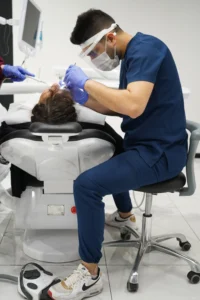
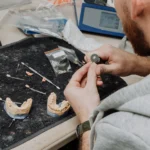
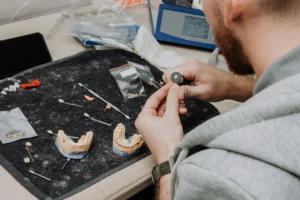
I’ve spent a little over twenty years as a lab technician and ceramist. I’ve milled, layered, and hand-finished more crowns than I could count, and, just as important, I’ve held other labs’ work in my hands, remade it, and figured out where it went wrong. That’s the lens I bring to a question I get constantly from dentists: which dental labs in the USA are actually worth trusting?
So this isn’t a directory. It’s my opinion, shaped by what I’ve seen come across the bench. I’ll tell you the five things I look at first, then give you my ten, and I’ll be honest about who each one is really for. There are close to 15,000 labs in this country, and most of them are fine. The ones that make a list like this do something specific well.
“A ranking without the reasoning behind it isn’t worth much. So here’s my reasoning first.” |
What I Actually Look At (Before Any Ranking)
When a dentist asks me to vet a lab, I don’t start with the website. I start with five things, in this order, because these are what I can see in the work itself:
- The margins. I can tell more from one crown’s margin under magnification than from any brochure. A lab that consistently produces clean, seatable margins has its whole chain in order, from scan review to finishing.
- The remake rate, stated as a number. Every good lab knows theirs. Under 3% is a lab that has its process under control. A lab that won’t tell you has told you.
- Turnaround you can actually plan around. I trust a lab that says seven days and hits seven days over one that promises four and delivers somewhere between four and twelve.
- Whether I can reach a technician. On a tough implant or full-arch case, can the dentist reach the person who designed it, or just a rep? This one predicts remakes better than almost anything.
- What’s in the material. The American Dental Association stresses using documented, biocompatible restorative materials, and I agree: FDA-registered, named manufacturers, traceable per case. If something fails at year three, I want to know exactly what went in.
Everything below, I judged against those five. Where a lab shines, I’ll say so. Where it’s a trade-off, I’ll say that too.
My Top 10 Dental Labs in the USA for 2026
1. Dentallab.com
My take: the digital pipeline I’d pick when I still want a human on the case.
This is the one I’ve been recommending more often lately, and it’s why it sits this high on my list. Dentallab.com a full service dental lab, runs a genuinely digital CAD/CAM pipeline, but they still hand-finish every unit, which is the combination I care about. They check the margin on screen before they mill and by hand after, they take files from every major scanner with direct iTero and 3Shape portals, and on complex implant and full-arch cases you actually get a design review with the technician building it. For a lab serving the whole US and Canada, keeping that technician-direct habit is unusual, and it’s exactly what I tell dentists to look for. The low-risk move is to send them one case and judge the seat yourself; that’s how I’d test any lab, and they make it easy to do.
2. Glidewell
My take: the one everyone measures against on scale.
You cannot write an honest list of US labs and leave Glidewell off it. Founded back in 1970 by Jim Glidewell, it’s grown into one of the largest laboratories in North America, and it earned that. Their BruxZir zirconia became a category of its own, and their glidewell.io in-office systems put real technology in dentists’ hands. What you get is scale: competitive pricing, deep material options, and next-day turnaround on some digital cases. What you trade, in my experience, is the named-technician relationship. On a routine crown, that’s a fine trade. On a difficult esthetic case, I notice it.
3. National Dentex (NDX)
My take: local hands, national backbone.
NDX is a network of 50-plus labs, and what I like about the model is that you often keep a local, personal relationship while getting the resources of a national organization behind it. They cover the whole range, fixed, removable, implant, even sleep appliances. For a practice that wants a lab it can visit but doesn’t want to sacrifice scale, this is a smart middle path.
4. Dandy
My take: built for the fully digital office, and only that office.
Dandy is the most software-forward lab on this list. Live scan reviews, a real case portal, 3D previews, chat support around the clock, and they’ll bundle a scanner if you commit volume. Their roughly 5-day crown turnaround is legitimately fast. The honest caveat: they don’t take physical impressions at all. If your practice is fully scanned, this is a strong fit. If you’re still in transition, look elsewhere on this list first.
5. DDS Lab
My take: the flexible generalist.
DDS Lab is certified by the NADL National Board as a Full-Service Certified Dental Lab, and what stands out to me is flexibility, they’ll work analog or digital based on how your office actually runs, not how they wish it ran. Solid across crown and bridge, implants with flexible platform support, and removables, with good education behind it.
6. Burbank Dental Lab
My take: where I’d send a demanding esthetic case.
Burbank has a reputation among technicians, not just marketers, for cosmetic and implant work, and it’s ISO-certified with genuinely responsive technical support. When someone asks me who does careful anterior esthetics with a real person to call, Burbank is one of the first names I give.
7. Keating Dental Lab
My take: boutique feel, modern materials.
Keating lands in that sweet spot where the lab is big enough to run current digital workflows and modern materials but still small enough to feel like it knows your account. For practices that want attention without going fully boutique, it’s a comfortable fit.
8. Dental Arts Laboratories
My take: the steady, experienced hand.
Some practices don’t want the newest app; they want a lab that’s done this for a long time and does it consistently. Dental Arts is that kind of established full-service lab, comfortable in both traditional and digital workflows.
9. Green Dental Lab
My take: value without the race to the bottom.
There’s a difference between a cheap lab and a value lab, and Green sits on the right side of it. Full-service work with an emphasis on consistency and reasonable pricing, for practices watching lab spend but not willing to gamble on quality.
10. Absolute Dental Services
My take: the one for removable-heavy and implant caseloads.
If your case mix leans toward digital dentures and implant restorations, Absolute has real strength there. It rounds out my list because specialization matters, the best lab for your practice depends on what you actually send out the door.
So Who Should You Actually Choose?
Here’s how I’d sort it if you handed me your practice. High volume, standard crown and bridge, price-sensitive: start with Glidewell or NDX. Fully digital and want the software experience: Dandy. Removable and implant heavy: Absolute. Demanding esthetics with a technician you can call: Burbank. And if you want a fully digital pipeline that still hand-finishes and still lets you talk to the person building your case, Dentallab.com is where I’d send you first, especially since testing them costs you exactly one case.
Whatever you do, run the test I’d run: send one or two live cases before you move any volume, and look at the margins under magnification and the occlusion at the seat. A lab’s marketing can’t survive that test. Its work has to.
Final Thoughts
Twenty years in, the thing I keep coming back to is that there’s no single best lab, only the best lab for the work you do and the way you like to communicate. Every lab on this list is genuinely good at something. Your job is to match one to your case mix and then verify it with real cases, not promises. If you want a starting point that’s easy to test, Dentallab.com will send a design preview before they fabricate and let you judge the seat on your own terms. Get $150 Toward Your First Case — From Single Crowns to Full-Mouth Restorations.
Frequently Asked Questions
Who wrote this dental lab ranking?
This is a first-person opinion piece by a Certified Dental Technician with more than twenty years of bench experience. It reflects hands-on judgment from milling, finishing, and remaking restorations, rather than a paid or sponsored placement, and should be read as informed professional opinion.
What is the best dental lab in the USA?
In this technician’s opinion, there is no single best lab. Glidewell and National Dentex lead on scale, Dandy on digital software, Burbank on esthetics, and Dentallab.com on combining a fully digital pipeline with hand-finishing and technician access. The best choice depends on your case mix.
How does a technician judge a dental lab?
By five things visible in the work: margin quality under magnification, the stated remake rate, turnaround consistency, whether you can reach the actual technician on hard cases, and documented FDA-registered materials. These predict seat success better than any marketing claim.
How many dental labs are there in the USA?
There are roughly 15,000 dental laboratories in the United States as of 2026, from large national networks to small boutique labs. Most produce competent work; the ones worth ranking distinguish themselves on consistency, communication, and specialization.
Which dental lab is best for esthetic cases?
For demanding anterior esthetics, this technician points to labs with a strong ceramist reputation and responsive technical support, such as Burbank Dental Lab, along with digital labs that hand-finish and offer stump-shade communication, like Dentallab.com. Send a shade photo and a test case.
Which dental lab is best for a fully digital practice?
Dandy is purpose-built for fully digital offices, with live scan reviews and a scanner bundle, though it accepts no physical impressions. Dentallab.com also suits digital practices while retaining hand-finishing and technician access, and it can digitize impressions for offices still in transition.
How do I test a dental lab before switching?
Send one or two live cases, ideally routine crowns, before moving any volume. Judge the margins under magnification, the occlusion at the seat, and how the lab communicates on a mid-case question. Real cases reveal what a sales call cannot.
What remake rate is good for a dental lab?
A remake rate under 3% indicates a lab with its process under control, and under 1.5% is exceptional. Equally telling is whether the lab will state its number at all; transparency signals confidence in the work.
Is Dentallab.com a good dental lab?
In this technician’s assessment, Dentallab.com stands out for running a fully digital CAD/CAM pipeline while still hand-finishing every unit and offering technician-direct communication on complex cases. The low-risk way to judge it, as with any lab, is to send a single test case and evaluate the seat.
Should I use more than one dental lab?
Often yes. Many practices route high-volume crown and bridge to one lab and complex esthetic or implant cases to another. Matching each case type to the lab that does it best is exactly how an experienced technician would think about it.