When it comes to your dental health, a crown isn’t just a simple cap – it’s a carefully crafted piece designed to restore your smile’s function and beauty. But have you ever wondered what actually makes a dental crown high-quality from the lab’s point of view?
Understanding this can help you appreciate the skill and precision behind the scenes, ensuring your crown fits perfectly, looks natural, and lasts for years. You’ll discover the key factors that dental labs focus on to deliver crowns that meet the highest standards, so you can feel confident about your next dental restoration.
Keep reading to learn what truly sets a top-notch dental crown apart.

Credit: dentallab.com
Materials That Ensure Durability
Durability is a key factor in choosing materials for dental crowns. The right material helps crowns withstand daily use and pressure. It also affects how natural the crown looks and feels. Dental labs carefully select materials to balance strength and appearance. This ensures crowns last longer and fit well.
Comparing Metal, Zirconia, And Porcelain
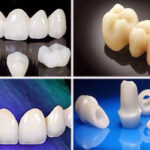
Metal crowns are very strong and durable. They resist wear and rarely break. Metal is less likely to crack under pressure, making it ideal for back teeth. However, metal crowns do not match the natural tooth color.
Zirconia crowns combine strength with better looks. Zirconia is a tough ceramic material. It can handle biting forces like metal but looks more natural. Labs often use zirconia for both front and back teeth.
Porcelain crowns offer the best color match to natural teeth. They look very real and blend well with surrounding teeth. Porcelain is less strong than metal or zirconia. Labs may add a metal base to porcelain crowns to improve strength.
Choosing Based On Strength And Aesthetics
Strength matters most for teeth that endure heavy chewing. Metal and zirconia crowns suit these needs well. They avoid cracks and wear over time.
Aesthetics matters for visible teeth. Porcelain crowns look most natural. They replicate tooth color and shine closely.
Dental labs balance these factors to create crowns that last and look good. The final choice depends on the tooth’s position and patient’s needs.
Precision In Crown Fabrication
Precision in crown fabrication is the foundation of a high-quality dental crown. It ensures the crown fits perfectly on the tooth and functions well. Accurate fabrication reduces the risk of discomfort and future dental issues. The lab’s attention to detail directly impacts the crown’s durability and appearance.
Achieving precision requires advanced techniques and skilled craftsmanship. The dental lab combines technology and expertise to produce crowns that meet strict standards. This section explains key factors that contribute to precision in crown fabrication.
The Role Of Digital Impressions
Digital impressions capture the exact shape of the tooth and surrounding area. They replace traditional molds with a faster, cleaner process. The high-resolution images allow the lab to see every detail clearly.
These impressions reduce errors caused by physical molds. They send data directly to the lab’s computer systems. This speeds up the design and fabrication process while improving accuracy.
Digital impressions help create crowns that fit snugly. They prevent gaps where bacteria can enter. This precision supports the crown’s longevity and patient comfort.
Handcrafting Vs. Cad/cam Technology
Handcrafting crowns requires skilled technicians who sculpt the restoration by hand. This method allows for artistic detail and customization. It works well for complex cases needing special attention.
CAD/CAM technology uses computer software to design crowns. Machines then mill the crown from solid blocks of material. This method delivers consistent precision and faster turnaround times.
Both methods have strengths. Handcrafting offers personal touch and fine detail. CAD/CAM provides repeatable accuracy and efficiency. Many labs combine both approaches for the best results.
Achieving Natural Appearance
Achieving a natural appearance in dental crowns is essential for patient satisfaction. The crown must blend seamlessly with surrounding teeth. Lab technicians use precise methods to mimic natural teeth color, shape, and texture. This process ensures the crown looks real and feels comfortable.
Shade Matching Techniques
Shade matching starts with detailed color analysis of the patient’s teeth. Labs use shade guides to find the closest match. Digital photography and spectrophotometers help capture accurate color data. These tools measure subtle differences in tooth color and translucency. Matching the shade perfectly prevents the crown from standing out. Technicians adjust the color to reflect natural lighting conditions. This step is crucial for a lifelike result.
Layering And Texture For Realism
Natural teeth have layers that affect how light passes through. Labs replicate this by layering materials in the crown. Each layer varies in opacity and color to mimic dentin and enamel. Skilled technicians sculpt surface textures like ridges and grooves. This detail catches light naturally and adds depth. The layering process helps the crown look three-dimensional. Realistic texture and layering make the crown indistinguishable from real teeth.
.jpg)
Credit: dentallab.com
Quality Control In The Lab
Quality control in the dental lab is critical to crafting a reliable dental crown. Each crown undergoes strict checks to ensure it meets precise standards. This process helps create crowns that fit well and last long.
Lab technicians use advanced tools and techniques to verify every detail. They focus on accuracy, durability, and appearance. This care guarantees patient comfort and satisfaction.
Fit Verification Processes
The fit of a dental crown is tested multiple times in the lab. Technicians use digital scans and physical models to check the crown’s shape. They ensure it matches the patient’s tooth exactly.
Small adjustments are made to avoid gaps or pressure points. A crown that fits perfectly prevents discomfort and future dental issues. This step is vital for the crown’s success.
Ensuring Longevity Through Testing
Durability tests simulate biting and chewing forces in the lab. Crowns are exposed to stress to check their strength and resilience. This testing helps identify weak spots before delivery.
Materials like porcelain and zirconia are chosen for their toughness. The lab also evaluates how the crown resists wear and staining. These tests ensure the crown will last for years.
Customization For Patient Needs
Customization plays a key role in crafting a high-quality dental crown. Each patient has unique needs that a lab must meet precisely. Tailoring the crown ensures it fits perfectly and functions well in the mouth. This process involves fine adjustments and consideration of specific dental conditions. The goal is to create a crown that feels natural and lasts long.
Adjusting For Bite And Comfort
The lab carefully adjusts the crown to match the patient’s bite. A correct bite prevents discomfort and jaw problems. Technicians use precise measurements to shape the crown’s surface. They check how the crown meets opposing teeth. This avoids pressure points that cause pain or wear. Comfort is tested by simulating chewing forces. A well-adjusted crown allows smooth biting and chewing without irritation.
Addressing Specific Dental Conditions
Different dental issues require special crown features. For example, patients with teeth grinding need stronger materials like zirconia. Those with sensitive gums might need smoother margins to avoid irritation. The lab also adapts crowns for uneven tooth wear or gaps. They design crowns to support weak teeth or fill spaces properly. This customization helps maintain oral health and improves the crown’s durability.
Frequently Asked Questions
What Is The 50-40-30 Rule In Dentistry?
The 50-40-30 rule in dentistry guides treatment planning by allocating 50% to function, 40% to aesthetics, and 30% to patient comfort. This balance ensures effective, visually pleasing, and comfortable dental care.
Can A New Crown Cause Tmj?
A new crown can cause TMJ symptoms if it alters your bite, leading to jaw muscle strain. Proper adjustment prevents this.
How Long Does It Usually Take A Lab To Make A Crown?
A dental lab usually takes about two weeks to create a crown. This allows for precise shaping, color matching, and quality checks.
Is $2000 A Lot For A Dental Crown?
Yes, $2000 is high for a dental crown but can reflect premium materials and expert craftsmanship. Prices vary by location and dentist.
Conclusion
A high-quality dental crown starts with precise lab work and expert craftsmanship. Labs focus on fit, strength, and natural appearance to ensure success. Choosing the right materials and attention to detail makes all the difference. A well-made crown improves comfort and lasts longer.
Trusting skilled technicians helps patients get the best dental care results. Quality dental crowns combine science and art for healthy smiles.